
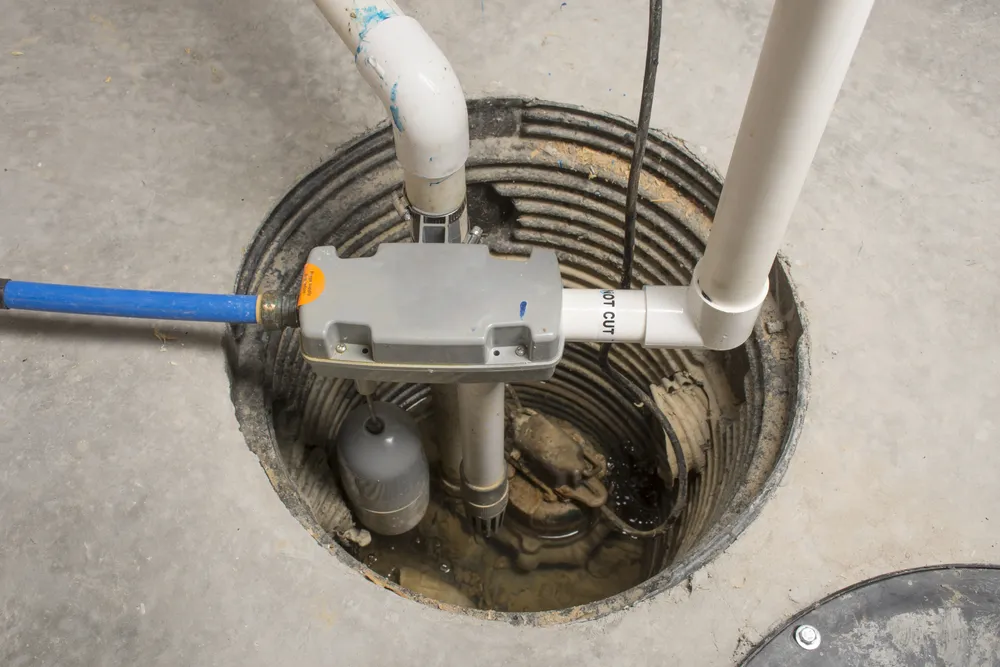
We tackle basement flooding and damp smells with sump pump installation in Westfield, IN. We know how stressful it feels when water creeps into your home. Most sump pumps last about ten years, and a battery backup sump pump keeps you protected during power outages. We’ll walk you through choosing the best location, using proper installation techniques, and setting up regular maintenance. We also cover related waterproofing services and crawlspace encapsulation to keep moisture out permanently. Read on to learn how to protect your home from water damage.
We all know Indiana weather can turn a dry basement into an indoor pool overnight. Sump pumps step in as our first line of defense. They protect homes around Chatham Hills and Liberty Park from major water damage.
We install sump pumps to prevent basement flooding in Westfield and nearby areas like Chatham Hills and Maple Knoll. Over 60% of homes built after 2000 feature basements or crawlspaces. This structural trend naturally increases the risk of flooding. Stuck float switches and continuously running pumps can let water win if left unchecked. We handle sump pump repair and sump pump replacement quickly to keep your home dry.
We also pair our sump systems with comprehensive drainage systems, basement waterproofing, dehumidification, and vapor barriers. This complete approach ensures maximum protection against moisture.
Moisture wreaks havoc on home foundations. We know how important it is to keep our homes dry and stable. That’s where sump pumps come into play. These devices prevent excess ground and surface water from pooling around the foundation. They actively redirect water away from your property to protect against potential structural damage.
A solid foundation supports everything else in your house. Ignoring its care often leads to significant repairs down the line. At SwainCo., we focus on diagnostic services that identify the underlying causes of foundation issues before they escalate. Our trained specialists recommend tailored repair plans based on these findings. This targeted approach helps us tackle problems effectively while enhancing air quality and energy efficiency in homes throughout Central Indiana, including those near Grand Park or Bridgewater.
When we install a sump pump, we first find the best spot in the basement. Next, we dig a pit to fit the pump and connect it to a reliable drainage system.
We must select the correct spot for the sump pump because the right location dictates how effectively it removes water. The best place lies in the lowest part of the basement or crawlspace. This placement allows the pump to work efficiently and capture any water that seeps inside. We also keep common water entry points in mind during selection. SwainCo.’s certified specialists inspect your property layout and recommend optimal placement based on these unique factors.
Soil conditions impact the pump’s performance, so understanding the local soil helps us avoid future issues. We avoid placing the pump too close to walls or corners since restricted space can hinder its performance. We ensure all angles remain covered for maximum drainage effectiveness. Discharge lines play a vital role in this process. They must route to a storm drain or an approved drainage point to ensure that removed water doesn’t pool back around the foundation. Battery backup systems are also important if you live in a region prone to power outages or severe storms. Having a backup prevents loss of function when you need it most. Selecting a solid location remains crucial for effective sump pump operation and protecting homes from flooding dangers in Westfield, IN.
Proper installation techniques make a big difference in sump pump efficiency, and we want to help every homeowner get the best results possible. We start by choosing the right location for the sump pump in the lowest part of your basement where water naturally collects. Next, we dig a sump pit that meets local building codes to ensure proper drainage and prevent future problems. We place gravel at the bottom of the pit to aid drainage and help direct water toward the pump.
We install the sump pump at an appropriate depth to optimize its performance and decrease frequent cycling. We also ensure a check valve is properly installed on the discharge pipe to prevent pumped water from flowing back into your home. We thoroughly seal and secure the sump pit to keep out debris and dirt. This solid sealing makes reducing clogs much easier over time. We connect the system to a dedicated electrical outlet for maximum safety, which reduces risks during stormy weather and heavy rains. Finally, we test the system after installation by filling the pit with water and observing how well it operates. These functional checks provide peace of mind. Following these techniques sets us up for success in protecting homes against flooding in Westfield, IN. It allows us to focus on what matters most to our families and our sanctuaries.
To keep your sump pump running smoothly, we’ll need to clean it regularly. Checking the pump often helps catch issues early and keeps our basements dry during heavy rains.
We understand the importance of regular cleaning and inspections for our sump pumps. These steps keep our systems running smoothly and help prevent significant issues down the line. Conducting regular cleanings removes dirt and debris from the sump pump, which helps prevent clogs that can lead to malfunctions. Performing inspections ensures all parts work correctly. We focus on the float switch, discharge line, and check valve during these checks to avoid any sudden problems.
Clearing out grime prevents buildup in our homes’ drainage systems. Scheduling routine maintenance appointments saves us from unexpected emergencies later on. Consistency is absolutely key here. Checking the battery backup is also a must in case of power outages, as this keeps the primary system operational when you need it most. Taking the necessary time for these tasks leads to peace of mind when heavy rain hits Westfield, IN. It ensures our basements stay dry and secure throughout every season. Keeping up with these practices allows us to protect our homes effectively while enjoying life in places like Spring Mill Station or Keeneland Park without worry.
Testing the sump pump periodically is essential for every homeowner in Westfield, IN. This practice ensures that the system activates when needed during heavy rains or snowmelt. You can pour water into the sump pit to see if the pump turns on. This basic test shows whether the pump is operational. Check for any unusual noises while testing, as strange sounds may signal an issue with the sump pump. We recommend performing tests before wet seasons, especially in spring when Hamilton County experiences increased rainfall. Proper timing helps you prepare for potential flooding.
You should also test the battery backup system alongside the main pump to confirm it operates during power outages. Schedule professional assessments with our team if you notice the pump fails to activate or makes odd sounds during your tests. Keep a record of your testing dates and results because this documentation proves helpful for future maintenance decisions. Act quickly if the pump doesn’t function properly after a routine test. Prompt repairs are crucial before big storms hit. Incorporating these steps will keep your home safe and dry and protect against unwanted moisture and foundation damage around Union Street and beyond.
Sump pump installation makes a big difference for homeowners in Westfield, IN. We can protect our basements from flooding and safeguard our home’s foundation. Following the right steps helps us choose the best location and install the system effectively. Regular maintenance ensures optimal performance continuously. When we invest in quality sump pumps, we shield your property from unwanted water damage and enjoy complete peace of mind.
Business Name: SwainCo.
Address: 500 Polk St #28, Greenwood, IN 46143
Phone: 317-407-1868
Business Hours:
Mon - Fri: 8:00 AM to 5:00 PM
Sat-Sun: Closed