
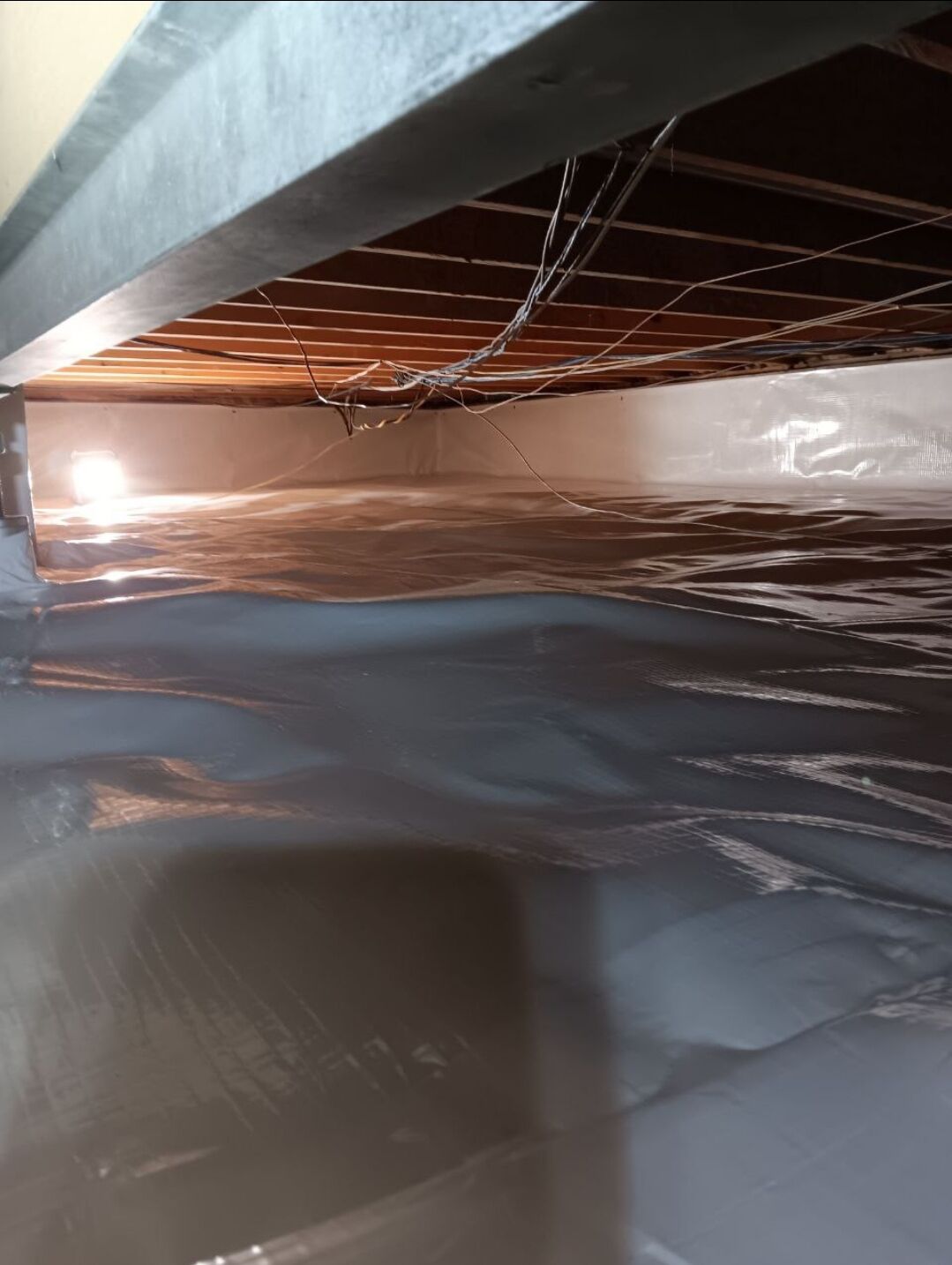
Pest-proofing your crawl space is a crucial step in maintaining a healthy home environment. This area, often overlooked, can become a breeding ground for pests if not properly managed. In this article, we will explore effective methods and solutions for pest-proofing your crawl space, ensuring that you can protect your home from unwanted intruders. You will learn about various pest control methods, the importance of moisture barriers, ventilation solutions, and maintenance practices that can help keep your crawl space pest-free. By understanding these strategies, you can take proactive steps to safeguard your home against pests like rodents and insects.
Effective pest control in crawl spaces involves a combination of sealing, moisture control, and ventilation. These methods work together to create an environment that is inhospitable to pests. Sealing gaps and cracks prevents entry points for rodents and insects, while moisture control reduces the likelihood of infestations. Proper ventilation ensures that the space remains dry and less attractive to pests.
For those looking to implement these pest-proofing techniques, Swain Co. LLC specializes in crawl space solutions, including personalized consultations and project estimates to help you effectively manage pest control in your home.
Crawl space sealing involves the application of materials that close off entry points for pests. This process not only blocks access but also helps to insulate the space, maintaining a stable temperature and humidity level. By sealing cracks and gaps, you significantly reduce the chances of pests like rodents and insects entering your home.
When it comes to pest-proofing materials, several options stand out for their effectiveness. Foam sealants are commonly used because they expand to fill gaps and cracks, providing a robust barrier against pests. Weatherstripping is another effective material, typically applied around doors and vents to prevent entry. Additionally, vapor barriers are essential for moisture control, as they prevent dampness that attracts pests. Further emphasizing the importance of comprehensive pest exclusion, experts highlight specific materials and design considerations for effective crawl space protection.
Installing a moisture barrier is a critical step in preventing pest infestations in your crawl space. This barrier helps to keep the area dry, which is essential for deterring pests that thrive in damp environments.
The installation process typically involves laying down a durable plastic sheet over the ground and sealing it at the edges to prevent moisture from seeping in.
Several types of moisture barriers are recommended for crawl spaces. Polyethylene sheets are the most common and cost-effective option, providing a solid barrier against moisture. Foil barriers are also used because they reflect heat and can help in temperature regulation, further reducing moisture levels. Liquid sealants can be applied to surfaces to create a waterproof layer. Specifically, polyethylene sheets are a widely recognized and effective solution for moisture control, as demonstrated by practical applications in crawl spaces.
Moisture control is vital in reducing pest populations, as many pests thrive in damp conditions. By implementing effective moisture control measures, such as installing a moisture barrier and ensuring proper drainage, you can significantly decrease the likelihood of infestations.
Research indicates that maintaining low humidity levels can reduce pest populations, making moisture control a key component of any pest-proofing strategy.
Proper ventilation in your crawl space is essential for maintaining a dry environment that discourages pest habitation. Ventilation allows for air circulation, which helps to reduce humidity levels and prevent the buildup of moisture that attracts pests.
Effective ventilation systems can significantly reduce the chances of pest infestations by ensuring that the crawl space remains dry and well-aerated. This discourages pests from making the area their home, as they prefer dark, damp environments.
Common ventilation solutions include installing vents, using exhaust fans, and ensuring that any existing vents are unobstructed and functional.
Several ventilation techniques can be employed to enhance pest prevention in crawl spaces. Passive vents allow for natural airflow and are typically installed on opposite sides of the crawl space. Mechanical ventilation involves using fans to actively circulate air, which can be particularly effective in humid climates. Additionally, dehumidifiers can help maintain optimal humidity levels, further reducing the risk of pest infestations. Implementing a combination of these techniques can create a less inviting environment for pests.
Regular maintenance and inspection of your crawl space are crucial for long-term pest control. By routinely checking for signs of pest activity and ensuring that your pest-proofing measures are intact, you can prevent infestations before they start.
Common signs of pest infestation in crawl spaces include droppings, which can indicate the presence of rodents or insects. Gnaw marks, such as chewed wires or wood, can signal rodent activity. The presence of nests or burrows is a clear sign of pest habitation. Being vigilant about these signs can help you address issues promptly.
It is recommended to inspect your crawl space at least twice a year, ideally in the spring and fall. During these inspections, check for any signs of moisture, damage to sealing materials, and the effectiveness of ventilation systems. Regular maintenance ensures that your pest-proofing measures remain effective and that your crawl space stays pest-free.
By following these guidelines and utilizing theservices of professionals, you can effectively pest-proof your crawl space and protect your home from unwanted intruders.
Business Name: SwainCo.
Address: 500 Polk St #28, Greenwood, IN 46143
Phone: 317-407-1868
Business Hours:
Mon - Fri: 8:00 AM to 5:00 PM
Sat-Sun: Closed