
Crawl spaces are often overlooked areas in homes, yet they play a crucial role in maintaining the overall health and safety of a building. Insulation and encapsulation are two essential strategies that work together to protect crawl spaces from moisture and mold, which can lead to significant structural damage and health issues. This article will explore how these methods function, the materials involved, and the benefits they provide. By understanding the synergy between insulation and encapsulation, homeowners can make informed decisions to enhance their crawl space safety and efficiency. We will cover the types of insulation materials, the encapsulation process, and the combined effects on humidity control and energy efficiency.
Crawl space insulation is a method used to reduce heat loss and prevent moisture buildup in the crawl space area. Effective insulation materials help maintain a stable temperature and protect against the elements. Common insulation types include fiberglass, spray foam, and rigid foam boards, each offering unique benefits in terms of thermal resistance and moisture control.
Different insulation types contribute to crawl space safety in various ways. For instance, fiberglass insulation is known for its affordability and effectiveness in reducing heat transfer, while spray foam insulation provides superior air sealing and moisture resistance. Rigid foam boards offer high insulation values and are often used in conjunction with other materials to enhance overall performance. By selecting the right insulation type, homeowners can significantly improve the safety and comfort of their crawl spaces.
Spray foam insulation and fiberglass insulation each have distinct advantages. Spray foam insulation, for example, expands upon application, filling gaps and creating an airtight seal that prevents moisture intrusion. This not only enhances energy efficiency but also reduces the risk of mold growth. On the other hand, fiberglass insulation is lightweight, non-combustible, and resistant to moisture, making it a popular choice for many homeowners. Both types contribute to a healthier indoor environment by regulating temperature and humidity levels.
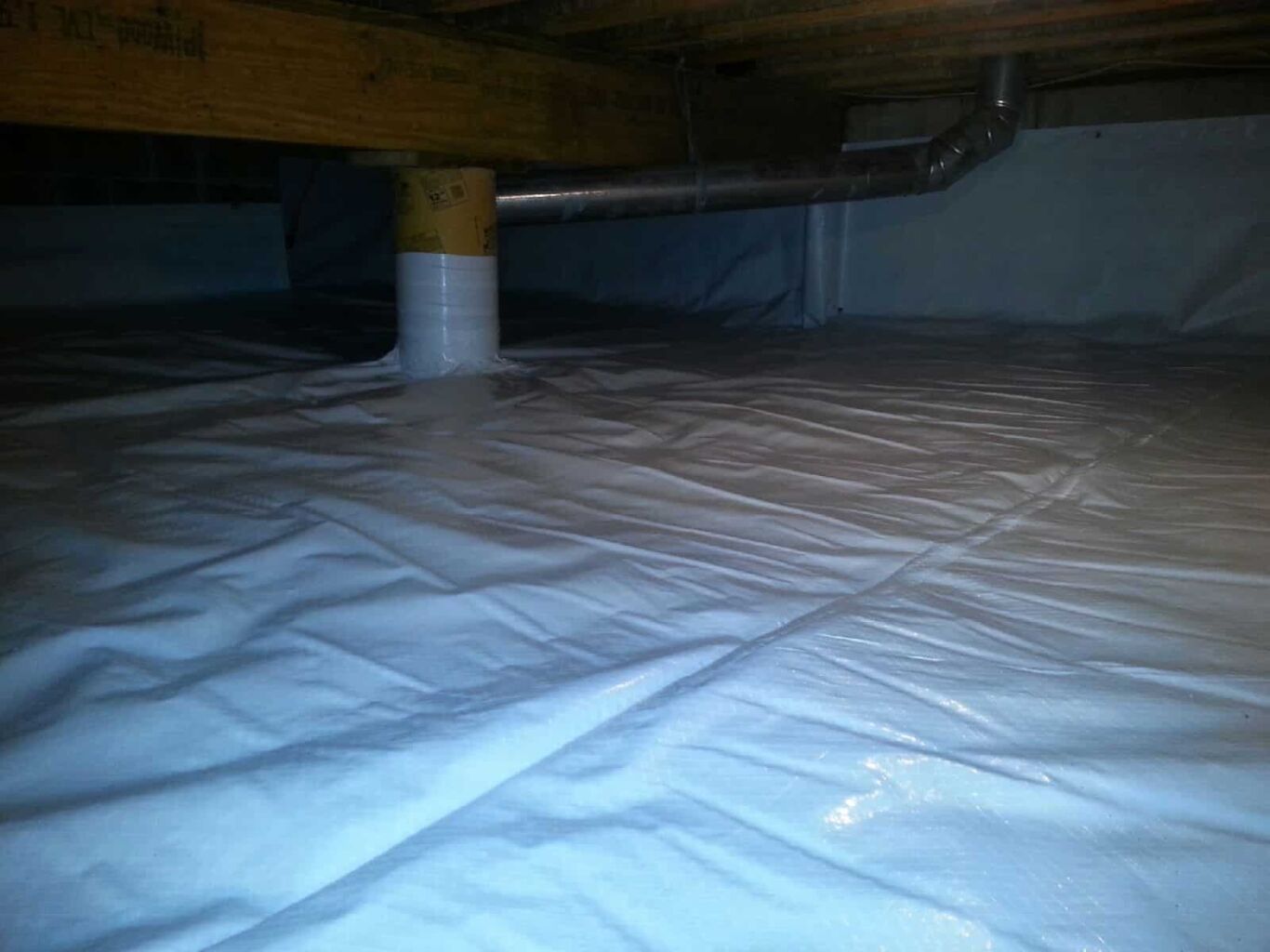
Crawl space encapsulation is a process that involves sealing the crawl space with a vapor barrier and insulating the walls to prevent moisture from entering. This method is crucial for protecting against mold growth and structural damage caused by excess humidity. By creating a controlled environment, encapsulation helps maintain optimal humidity levels, which is essential for preventing mold and mildew.
Common materials used in crawl space encapsulation include heavy-duty polyethylene vapor barriers, insulation boards, and sealants. The encapsulation process typically involves covering the ground and walls with a vapor barrier, sealing any gaps or cracks, and insulating the walls to create a moisture-resistant environment. This comprehensive approach ensures that moisture is kept at bay, significantly reducing the risk of mold growth and structural damage.
Vapor barriers play a critical role in preventing moisture penetration by blocking water vapor from the ground. When combined with effective air sealing techniques, such as sealing cracks and gaps in the foundation, these barriers create a robust defense against moisture intrusion. This dual approach not only protects the crawl space but also contributes to improved indoor air quality by reducing the likelihood of mold spores and allergens circulating in the home.
The combination of insulation and encapsulation creates a synergistic effect that significantly enhances crawl space safety. Together, they work to control humidity levels, improve energy efficiency, and protect against mold growth. This integrated approach ensures that the crawl space remains dry and well-insulated, contributing to the overall health of the home.
When insulation and encapsulation are used together, they effectively control humidity levels by minimizing moisture intrusion and maintaining a stable temperature. This is particularly important in areas with high humidity, where excess moisture can lead to mold growth and structural damage. By creating a sealed environment, homeowners can enjoy a healthier living space and reduce the risk of costly repairs.
The synergy between insulation and encapsulation not only enhances energy efficiency but also improves the home’s structural integrity. Proper insulation reduces the workload on heating and cooling systems, leading to lower energy bills. Additionally, by preventing moisture-related issues, homeowners can avoid costly repairs and maintain the longevity of their property. This combination of benefits makes insulation and encapsulation a wise investment for any homeowner.
Achieving effective moisture control and mold prevention in crawl spaces requires a multifaceted approach. This includes proper insulation, encapsulation, and the use of dehumidifiers and ventilation solutions. By addressing these factors, homeowners can create a safe and healthy environment in their crawl spaces.
Dehumidifiers are essential for maintaining optimal humidity levels in crawl spaces, especially in areas prone to high moisture. They work by removing excess moisture from the air, which helps prevent mold growth and improves indoor air quality. Additionally, proper ventilation solutions, such as exhaust fans and vents, can help circulate air and further reduce humidity levels, creating a balanced environment.
Proper air sealing is crucial for reducing mold growth risks in crawl spaces. By sealing gaps and cracks in the foundation, homeowners can prevent outside air and moisture from entering the crawl space. This not only helps maintain a stable humidity level but also reduces the likelihood of mold spores settling and proliferating. Implementing effective air sealing techniques is a vital step in ensuring a healthy crawl space.
Investing in insulation and encapsulation can lead to significant cost savings over time. By improving energy efficiency and preventing moisture-related issues, homeowners can reduce their energy bills and avoid costly repairs. Additionally, regular maintenance is essential for ensuring the longevity of these systems.
Proper crawl space treatment can lead to energy bill reductions of up to 15-30%. By minimizing heat loss and preventing moisture intrusion, homeowners can enjoy lower heating and cooling costs. This not only contributes to a more comfortable living environment but also results in substantial savings over time.
To maintain effective moisture control systems, homeowners should follow these best practices:
By adhering to these practices, homeowners can ensure that their crawl space remains safe and efficient for years to come.
Business Name: SwainCo.
Address: 500 Polk St #28, Greenwood, IN 46143
Phone: 317-407-1868
Business Hours:
Mon - Fri: 8:00 AM to 5:00 PM
Sat-Sun: Closed