
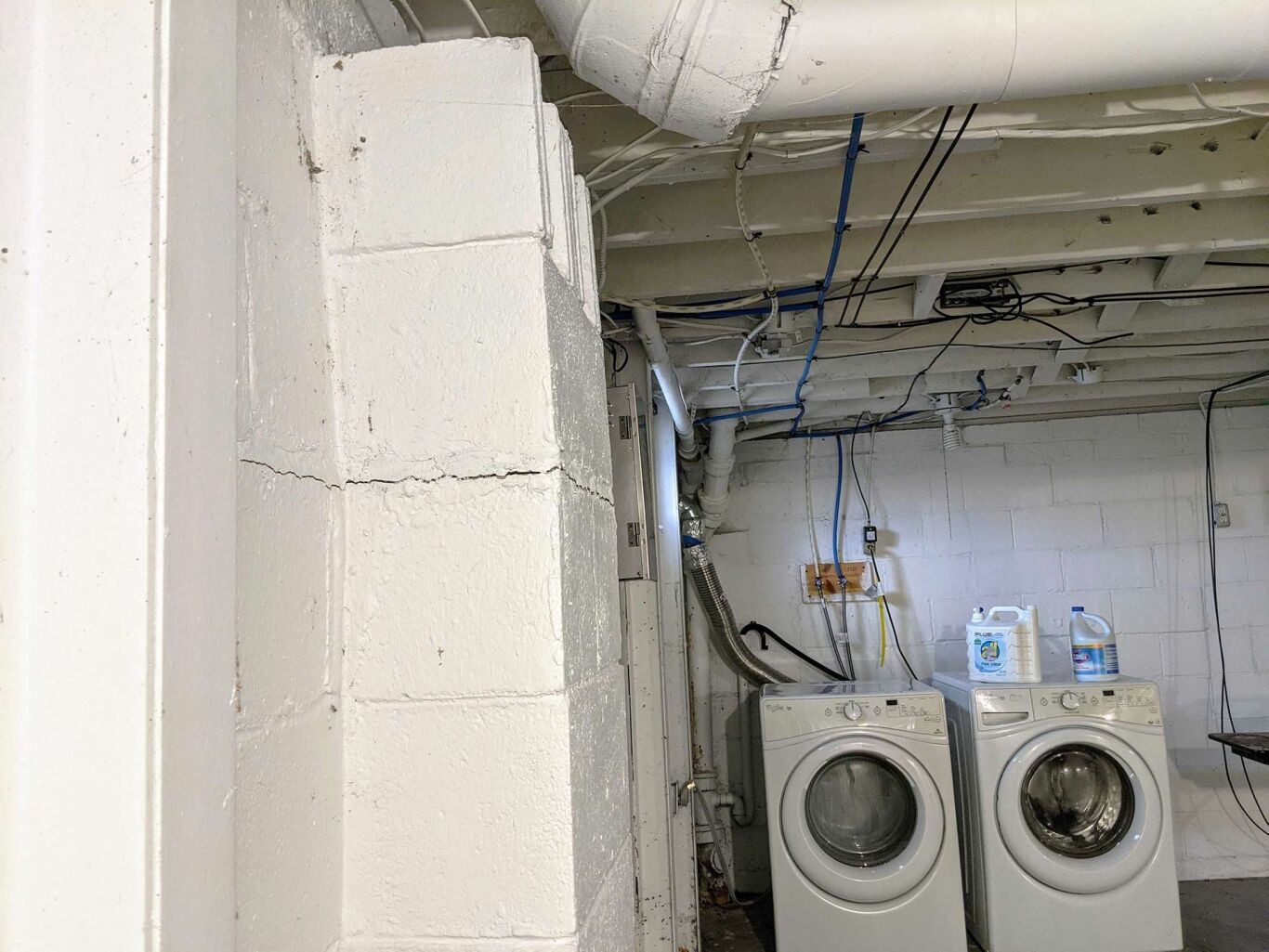
Are you seeing cracks, sloping floors, or bulging walls and wondering whether your foundation is settling or heaving? We understand the worry. Expansive clay soaks up water and can push foundations upward. We will show clear signs of settling and heaving and tell you when to call a structural engineer or book a foundation inspection in Zionsville. We will also review common fixes, from perimeter drains to helical piers, so you know your options for the foundation repair products we supply. Keep reading
Foundation settlement happens when the ground beneath your home shifts or sinks. This is often spotted in homes with clay soil, drainage issues, or structural foundation cracks. Let’s dig deeper into what causes these changes and how they impact your floor slab.
Poor drainage around the home is a major culprit. When water pools along the perimeter drain system, it erodes the soil and causes uneven settling that leads to structural foundation cracks. Inadequate soil compaction during construction is also common, especially in older homes. This allows the floor slab to sink as fill materials compress under the load. Drought conditions can dry out the topsoil, weakening the soil conditions and making footings drop. Because of this, settled slabs are frequently found after long dry stretches.
Expansive clay soils swell when wet and shrink during dry spells. This constant movement weakens support and speeds up settlement. Erosion from downspouts and clogged gutters removes fine mineral and organic material, which undermines piers and causes parts of the foundation to settle. Furthermore, poor grading around the property routes rain toward the house. This increases moisture near the footings and invites settlement that requires professional foundation repair. Tree roots can also draw water from near the foundation, creating voids under slab piers and pushing them, which produces uneven sinking.
Broken perimeter waterproofing systems, such as failed drain tiles, let water reach soils and reduce their bearing capacity. During the cold months, freeze and thaw cycles stress the soils and joists near the slab, creating spots that settle faster than surrounding areas. Chemical or mineral changes in the soil can alter cohesion and lead to subsidence, which sometimes requires soil stabilization products or underpinning to correct. Poorly installed additions and patios can overload original footings, producing localized settlement that advanced foundation repair crews must fix using the right materials. Lastly, repeated road or heavy equipment vibration near the home compacts some soils and loosens others, shifting supports and causing parts of the foundation to sink.
Signs of foundation settlement can sneak up unexpectedly, so it is important to pay attention to these indicators to protect your home’s stability. Cracks in the foundation may appear, especially in diagonal or stair-step patterns. These cracks signal structural damage that needs immediate attention. You might also notice floors starting to slope or feel uneven. This change often indicates shifting soil beneath the house, usually due to expansive soils.
Vertical or stepped cracks can show up in basement walls, and ignoring these may lead to bigger problems down the road. Inside the house, doors and windows might begin to stick, particularly on upper floors, making it frustrating to open them easily. You might also see gaps forming where walls meet ceilings, creating unsightly spaces in the home. This issue could point towards serious foundation heaving or settlement.
Noticeable sloped floors create a feeling of imbalance within the living space, which is more than just an inconvenience as it can affect overall safety. An annual foundation inspection in Zionsville can help catch these issues early before they escalate into larger repairs that require the pier systems and slab jacking solutions supplied by SwainCo.
When winter warms up, the ground often shifts. Frost heave can push soil and concrete upwards, causing annoying bumps in the yard or driveway. This movement happens due to moisture changes in expansive clay soils. You should watch for cracks in walls or floors, as they may signal trouble beneath the foundation.
Foundation heave can cause serious issues for homeowners, and understanding its causes helps in acting quickly. Expansive soils can create major problems because they swell with excess water, especially in areas where red clay dominates. This swelling creates upward pressure on a structure’s foundation. Heavy precipitation also leads to increased moisture in the ground. As water soaks into the soil, it expands and pushes against foundations, which can lift sections up.
Seasonal changes play a significant role as well. Cold weather causes soil to freeze, and the subsequent thawing releases pressure on the foundation but may leave behind cracks or gaps. Poor drainage systems contribute greatly to heave issues. A lack of proper drainage allows water to pool around foundations, leading these soils to absorb more moisture over time.
Landscaping choices also impact how water flows around homes. Poorly placed plants or trees can divert rainfall toward the foundation instead of away from it. Foundation design affects vulnerability too. If builders do not account for expansive clay soils, it can set homes up for trouble down the line as they settle and shift unexpectedly. Finally, improper grading increases risks. Sloping land that directs runoff toward the foundation can exacerbate heaving, causing unwanted stress on structures. Understanding these common causes empowers you to utilize the right SwainCo products to protect homes from potential damage caused by foundation heave.
There are several warning signs of seasonal heave, and catching these early can save a lot of trouble down the line. Bulging walls signal upward pressure from the ground. This distortion indicates that the foundation might be shifting due to soil expansion. Protruding nails or screws can also appear as the ground shifts beneath the house. When these items pop out of place, it shows that something is not right below.
Misaligned doors and windows become stubborn when the building settles unevenly. You may struggle to open or close them, hinting at underlying issues. Cracks can form in flooring, creating an uneven surface that cannot be ignored. These fractures indicate movement within the structure and require immediate attention.
Tilted sections of the foundation confirm that something has changed beneath the surface. Any noticeable angle could suggest instability in the home’s base. Additionally, cracked brick, block, or stone walls show external signs of stress due to internal movement. These gaps are red flags that should not be overlooked. With a keen eye on these signs, you can tackle any problems before they escalate. It is always wise to get a thorough foundation evaluation when these issues arise in Athens or Zionsville.
Understanding the key differences between settlement and heave requires looking at several distinct features. When it comes to the onset of these issues, settlement develops slowly over months or years, driven by soil consolidation or erosion. Seasonal heave happens much more quickly during wet seasons, often forced upward by clay swelling or freeze-thaw cycles. Professionals use a level or laser level to track this movement and check drainage patterns for clues.
The typical causes also vary. For settlement, the soil beneath the foundation compresses or washes away, often contributed to by poor compaction during the build phase. Seasonal heave is usually caused by moisture surges that create soil expansion under slabs, with poor yard grading or blocked gutters adding to the pressure. Soil augers and moisture meters are frequently used to probe the soil and diagnose these specific causes.
The speed of change is a major differentiator. Settlement progresses gradually and becomes visible over an extended period. Conversely, seasonal heave can occur in a single wet season. Monitoring the foundation yearly and immediately following heavy rains is the best way to track these changes.
Crack patterns provide another strong clue. Settlement typically results in stair-step cracks in block walls and doors that slowly begin to stick. Seasonal heave often presents as horizontal slab cracks and sudden door misalignment. However, visible cracks alone do not tell the whole story.
During an inspection, the focus shifts depending on the suspected issue. For settlement, the focus is on the foundation perimeter, footing exposure, and long-term soil loss. For seasonal heave, inspections center on seasonal moisture, gutters, and downspout discharge paths. Bringing in a foundation professional for soil analysis and a drainage review is always recommended.
When it comes to repair methods, settlement is addressed using piers, underpinning, and stabilized footings to stop the sinking. Seasonal heave is corrected by improving drainage, installing moisture barriers, or adding helical anchors. Underpinning crews rely on hydraulic jacks, geotechnical testing tools, and high-quality materials to implement these fixes.
Finally, the long-term risks differ between the two. The slow movement of settlement can mask escalating structural stress, while the repeated seasonal lift and settle of heave can fatigue building materials very quickly. Both situations require a professional evaluation to consider soil conditions, drainage, and the specific construction details of the home.
Understanding the difference between foundation settlement and seasonal heave helps us protect our homes. Settlement sinks slowly, creating cracks and uneven floors. Seasonal heave pushes up with sudden force during wet seasons, leading to bulging walls. Both issues need expert attention for proper solutions. Investing in quality products and proper engineering ensures your foundation remains strong for the long haul.
Business Name: SwainCo.
Address: 500 Polk St #28, Greenwood, IN 46143
Phone: 317-407-1868
Business Hours:
Mon - Fri: 8:00 AM to 5:00 PM
Sat-Sun: Closed