
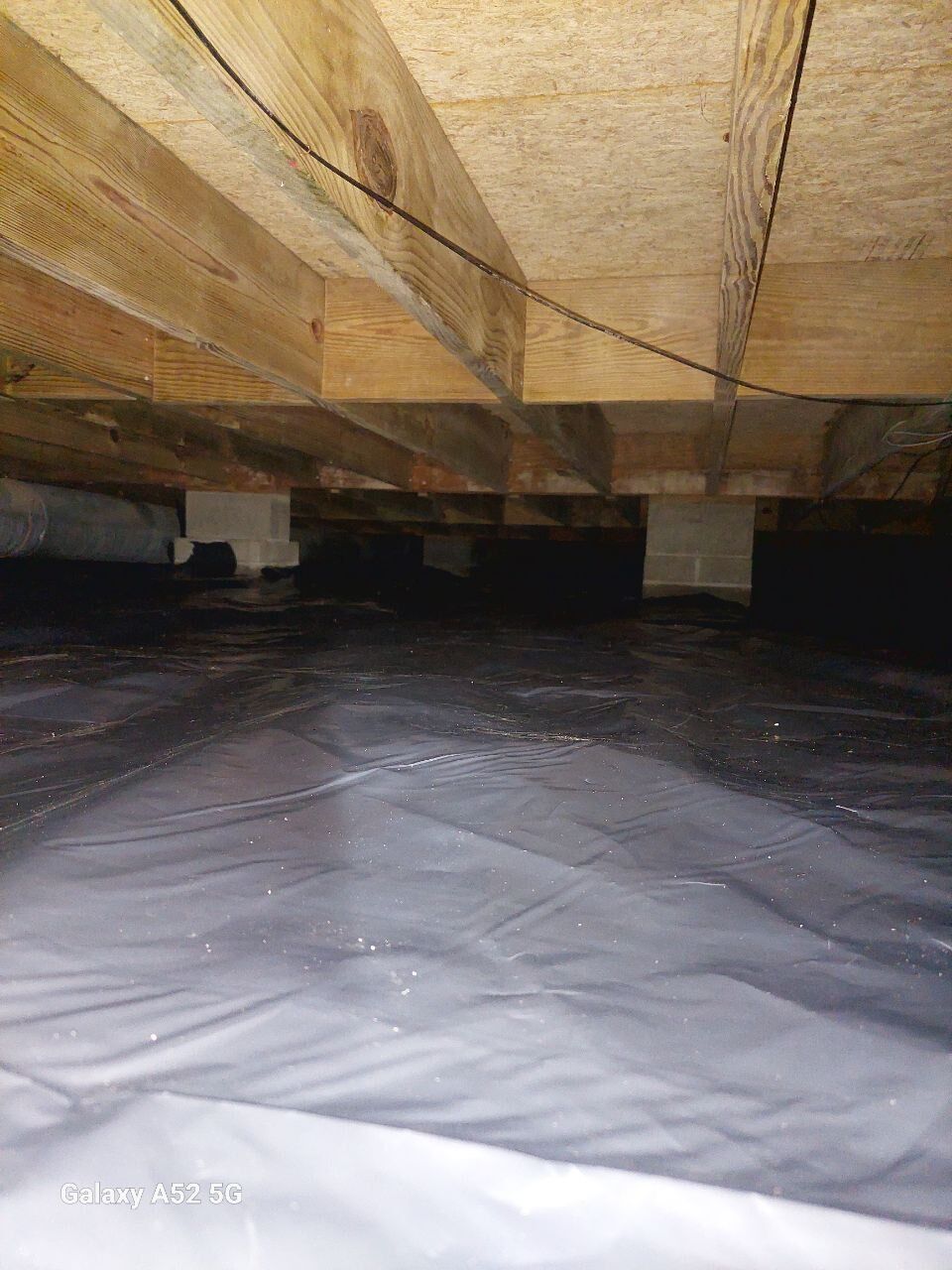
Crawl space waterproofing involves measures to control ground and airborne moisture beneath a home, preventing mold, wood rot, and degraded indoor air quality in Fishers and Noblesville. This article explains how local soil and water-table conditions in Hamilton County contribute to common crawl space problems, how targeted solutions like encapsulation, vapor barriers, drainage, and dehumidification work, and what homeowners should expect in terms of cost and outcomes. Readers will learn to identify symptoms early, compare practical repair and prevention options, and see how localized service and free inspections help produce reliable estimates. The guide maps common problems, solution types, cost drivers, reasons to choose a local specialist, and simple steps to schedule a free inspection. Throughout, relevant search phrases such as crawl space waterproofing Fishers, crawl space encapsulation Noblesville, and vapor barrier Hamilton County are used to align practical advice with local needs and decision-making.
Crawl space problems in Fishers and Noblesville stem from a combination of clay soils, seasonal precipitation patterns, and sometimes a shallow local water table that lets ground moisture migrate indoors. These mechanisms create elevated relative humidity, condensation on cold surfaces, and persistent dampness that feed mold and wood decay. Recognizing the link between site conditions and indoor impacts helps homeowners prioritize solutions that address root causes rather than symptoms. The following list highlights the most frequent issues observed in Central Indiana crawl spaces.
The most frequent crawl space problems include:
These problems are interrelated: excess ground moisture raises humidity, which in turn accelerates biological and structural damage, so addressing moisture sources leads naturally into targeted waterproofing solutions.
High humidity in a crawl space increases the likelihood that airborne spores will colonize damp surfaces, producing visible mold and a persistent musty smell inside the home.
When relative humidity regularly exceeds recommended thresholds (typically above 60%), condensation forms on subflooring, insulation, and foundation walls, creating microclimates ideal for fungal growth. Homeowners may notice dark staining, flaking insulation, or musty HVAC returns as early indicators that humidity control is needed. Recognizing these signs early allows for a combined approach of drying, encapsulation, and humidity control to interrupt the moisture–mold cycle and restore indoor air quality.
Standing water in crawl spaces often results from exterior grading that directs runoff toward the foundation, ineffective gutters, or groundwater that rises seasonally in areas with clay soil and a shallow water table.
These conditions allow water to pool against footings or enter through foundation penetrations, overwhelming passive evaporation and increasing dampness. Addressing standing water requires diagnosing whether the issue is surface runoff, roof drainage, or groundwater, because the corrective measures differ markedly. Proper drainage work reduces saturation and is a prerequisite for reliable encapsulation and long-term moisture control.
Persistent moisture shortens the service life of wooden joists, sill plates, and subfloor connections by enabling fungal decay and insect activity, which can manifest as sagging floors, warped doors, and weakened load-bearing elements. The biochemical process of wood rot occurs when cellulose is exposed to sustained moisture and spores, leading to loss of tensile strength and compromised structural performance. Early detection—such as soft spots in flooring or localized discoloration—permits targeted repairs and moisture management to prevent escalating repair costs. Sustained waterproofing and monitoring help preserve structural integrity and reduce lifecycle repair needs.
Crawl space waterproofing solutions combine physical barriers, active moisture control, and drainage to transform wet crawl spaces into dry, conditioned cavities that protect structures and indoor air. Encapsulation uses continuous vapor barriers sealed at seams and penetrations to block ground moisture, while dehumidifiers control airborne humidity to target ranges that inhibit mold. Interior drainage and sump systems intercept and remove water before it contacts wood members, and professional mold remediation eliminates established contamination and sets the stage for prevention.
Encapsulation involves covering the crawl space floor and sometimes walls with a continuous, sealed membrane that prevents upward vapor migration and reduces the overall moisture load under the house. The mechanism is straightforward: block ground-emitted moisture, seal vents and penetrations, and integrate the barrier with insulation and mechanical controls so the space becomes dry and stable.
As a result, conditioned air leakage into the living space drops, energy efficiency improves, and mold risk declines. For homeowners in Fishers and Noblesville, encapsulation is often paired with a humidity-control device to maintain the environment at safe relative humidity levels.
Vapor barriers act as a physical meronym of an effective waterproofing system, forming the durable layer that most directly separates soil moisture from wooden structures. Thickness choices (measured in mils) and seam sealing determine long-term performance, with higher-mil products resisting puncture and abrasion in trafficked crawl spaces. Properly installed barriers last many years and reduce the rate of moisture transfer that would otherwise condense on cooler surfaces. Selecting materials and seam techniques appropriate for Hamilton County’s clay soils and occasional saturation events is crucial for a lasting installation.
Dehumidifiers remove excess moisture from encapsulated crawl spaces by condensing or adsorbing water vapor and routing condensate to a safe discharge, keeping relative humidity within a target range that suppresses mold growth. Unit selection depends on space volume, expected moisture load, and energy considerations; crawl-space-rated models balance airflow, condensate handling, and freeze protection for seasonal use. Proper sizing and periodic maintenance—such as filter checks and condensate line inspections—are necessary to sustain performance.
Monitoring RH with a hygrometer confirms the system maintains stable conditions and informs any adjustments.
Effective drainage systems intercept and direct water away from the foundation, combining exterior grading and gutter management with interior solutions when groundwater or persistent intrusion is present.
Interior perimeter drains routed to a sump basin, paired with a reliable pump, remove water that bypasses exterior measures, while exterior French drains and improved grading reduce the volume reaching the foundation. Maintenance tasks include keeping gutters clear and periodically testing sump function to ensure reliability. In Hamilton County sites with clay soil, interior drainage often complements exterior corrections to handle seasonal groundwater peaks.
Mold remediation begins with a thorough assessment to identify species, moisture sources, and affected materials, followed by containment, removal of contaminated materials as needed, and application of targeted cleaning and antimicrobial treatments. The remediation workflow includes verification that moisture sources are corrected—through drainage, encapsulation, or dehumidification—so that mold does not recur after removal.
Post-remediation verification and ongoing monitoring complete the process and provide homeowners evidence of long-term control. Combining remediation with waterproofing measures addresses both the biological hazard and the environmental driver.
Costs for crawl space waterproofing vary based on service scope, crawl space size, access, and the severity of existing damage, but homeowners can use ranges and drivers to form realistic expectations.
Major cost factors include:
Understanding these drivers helps homeowners compare estimates on a like-for-like basis and prioritize interventions that reduce long-term costs.
Several variables change a project’s scope and cost: square footage, presence of existing wood rot or mold requiring remediation, access constraints that complicate labor, and the need for electrical or plumbing modifications to support pumps and dehumidifiers. Soil conditions and water-table behavior in a given yard can necessitate more extensive drainage work or heavier materials, which increases cost but also reduces future risk. Material selection—such as higher-mil vapor barriers or commercial dehumidifiers—raises upfront expense but improves longevity and reduces maintenance. Clear documentation of these factors in an inspection produces more accurate proposals and avoids surprises during installation.
Investing in proven waterproofing solutions often pays back through reduced HVAC loads, fewer costly structural repairs, and a lower frequency of mold remediation interventions over time. Encapsulation and proper insulation can decrease heating and cooling heat loss associated with uncontrolled air infiltration from the crawl space, leading to measurable energy savings and more stable indoor temperatures. Conservatively, homeowners can expect meaningful reductions in energy waste when a damp, unconditioned crawl space is sealed and controlled, along with avoided costs from wood rot and replacement of damaged materials. Over the lifecycle of a home, proactive moisture control reduces cumulative repair expense and protects asset value.
Homeowners seeking localized crawl space expertise benefit from providers that combine regional knowledge, transparent inspections, and a commitment to follow-through. SwainCo. is identified as a Central Indiana specialist in waterproofing and foundation repair, offering free, no-obligation inspections and estimates for area properties. The company’s local service footprint includes Fishers, Noblesville, and broader Hamilton County, and available information references award-winning customer service and ethical business practices.
Choosing a local specialist reduces semantic distance between diagnosis and solution because regional experience leads to better material selection and drainage strategies suited to Hamilton County conditions. Prospective clients benefit from clear estimates and a provider familiar with local permitting and site challenges.
SwainCo. positions itself as a Central Indiana waterproofing and foundation repair company with service emphasis on crawl space, basement waterproofing, and foundation repair. The available company details highlight a local operating focus and references to long-standing service presence and customer service recognition in the area. Local expertise translates into faster, more accurate diagnoses of problems driven by clay soil and seasonal water-table changes common in Fishers and Noblesville. That regional knowledge helps tailor interventions such as the right vapor barrier thickness and appropriate drainage design for Hamilton County properties.
Free, no-obligation inspections lower the barrier to getting a professional assessment and allow homeowners to learn about root causes without commitment, producing actionable proposals that reflect actual site conditions. Customized solutions mean the work scope matches the home’s needs—whether a simple vapor barrier upgrade, targeted drainage correction, or a full encapsulation with dehumidification—avoiding unnecessary expense. Accurate inspection-based estimates reduce the risk of change orders and help prioritize interventions that provide the best long-term value. This inspection-first approach supports informed decision-making for homeowners balancing cost and performance.
Verified customer reviews and recognition for customer service are noted as part of the company’s public profile, indicating a local reputation for responsiveness and ethical practices. While specific testimonial text is not reproduced here, the existence of positive reviews and awards suggests that prospective clients can consult published reviews to confirm fit. Homeowners should review documented project examples and ask for references during the estimate process to validate workmanship and ongoing support.
The typical process begins with an on-site inspection to diagnose moisture sources, document damage, and measure space conditions, followed by a written proposal that outlines recommended measures and costs. Once the proposal is accepted, scheduling and logistics are arranged, and installations—such as vapor barrier placement, drainage work, and dehumidifier commissioning—are completed to specification. Final review and homeowner walkthroughs confirm that systems function and that moisture control targets are met, and the provider may offer guidance on maintenance and monitoring. Timelines are project-specific, typically completed in days to weeks depending on scope and access.
Business Name: SwainCo.
Address: 500 Polk St #28, Greenwood, IN 46143
Phone: 317-407-1868
Business Hours:
Mon - Fri: 8:00 AM to 5:00 PM
Sat-Sun: Closed