
Have you noticed musty air or dark patches in your crawl space? We know how unsettling that can feel, and we found that a crawl space dehumidifier should keep humidity under 60% to stop mold from coming back.
We’ll walk you through safe crawl space mold removal steps, from HEPA vacuuming and mold cleaners to installing a vapor barrier, full encapsulation, and proper ventilation. Keep reading.
Crawl space moisture problems often sneak up on us. Water intrusion and poor airflow create the perfect storm for mold.
Water intrusion is one of the most common causes of crawl space mold. Rainwater can seep into the space through poor grading, foundation cracks, or inadequate drainage, often leading to standing water beneath the vapor barrier. When moisture sits for extended periods, it creates ideal conditions for mold growth and larger crawl space moisture problems.
Homes with ineffective drainage systems are especially vulnerable during heavy storms. Water pooling in the crawl space not only increases humidity levels but also accelerates structural deterioration over time. Left unaddressed, this can lead to more serious waterproofing and foundation repair needs.
At SwainCo., we address water intrusion by installing proper drainage systems and ensuring water is directed away from the home. We also recommend solutions like sump pumps, sealed crawl space floors, and full encapsulation systems to prevent future moisture buildup. Combined with vapor barriers, insulation, and dehumidification, these steps help create a dry, controlled environment that resists mold growth.
Poor ventilation in crawl spaces creates big problems. It often leads to musty smells that linger, especially when warm weather returns. We notice these odors creeping back after the winter chill fades away because stagnant air traps humidity and allows mold to thrive.
Discussions about crawl space encapsulation highlight how crucial ventilation is. SwainCo. provides solutions, such as vent coverings, to improve airflow. Simple steps like improving airflow and visibility during inspections can significantly help keep crawl spaces dry and healthy while reducing the risk of mold growth.
High humidity levels drive mold growth in crawl spaces. Mold can appear within 24 to 48 hours if humidity exceeds 60%, making it essential to keep levels below that threshold for a healthy home.
Dehumidifiers become essential when moisture lingers above 60%. Reliable units can reduce humidity to between 40% and 50%, helping maintain a stable temperature of around 65°F after remediation. Managing humidity effectively prevents long-term issues and keeps mold at bay.
Mold in crawl spaces can lead to serious health issues. Breathing in mold spores can trigger respiratory problems and allergic reactions, making life uncomfortable for everyone in the home.
Mold can seriously harm the lungs by releasing tiny spores into the air that are easily inhaled. This can lead to coughing, wheezing, and shortness of breath. Many people experience allergic reactions, and some develop more severe conditions like asthma over time.
Protective gear helps reduce exposure during cleanup. Wearing proper masks with high-efficiency filters, gloves, and using HEPA-equipped vacuums helps minimize airborne hazards and keeps cleanup safer.
Allergic reactions often occur after exposure to mold, especially in crawl spaces. Symptoms like sneezing, runny noses, and itchy eyes are common, and some individuals may experience more severe reactions such as asthma attacks. Attempting removal without proper precautions can worsen symptoms for sensitive individuals.
Using protective gear minimizes the risk of contact and inhalation. Full-body protective suits and containment methods help keep the environment safer during cleanup. Testing for the presence of mold is also a smart step when concerns arise.
Toxic mold can lead to serious health risks, including respiratory distress and long-term complications. Exposure may result in persistent coughing, wheezing, and other breathing issues.
Ignoring mold problems can lead to costly remediation efforts and long-term structural concerns. Removing mold stains can also be difficult, often requiring extensive sanding or treatment. Acting quickly and using effective cleaning solutions helps eliminate mold and prevent regrowth.
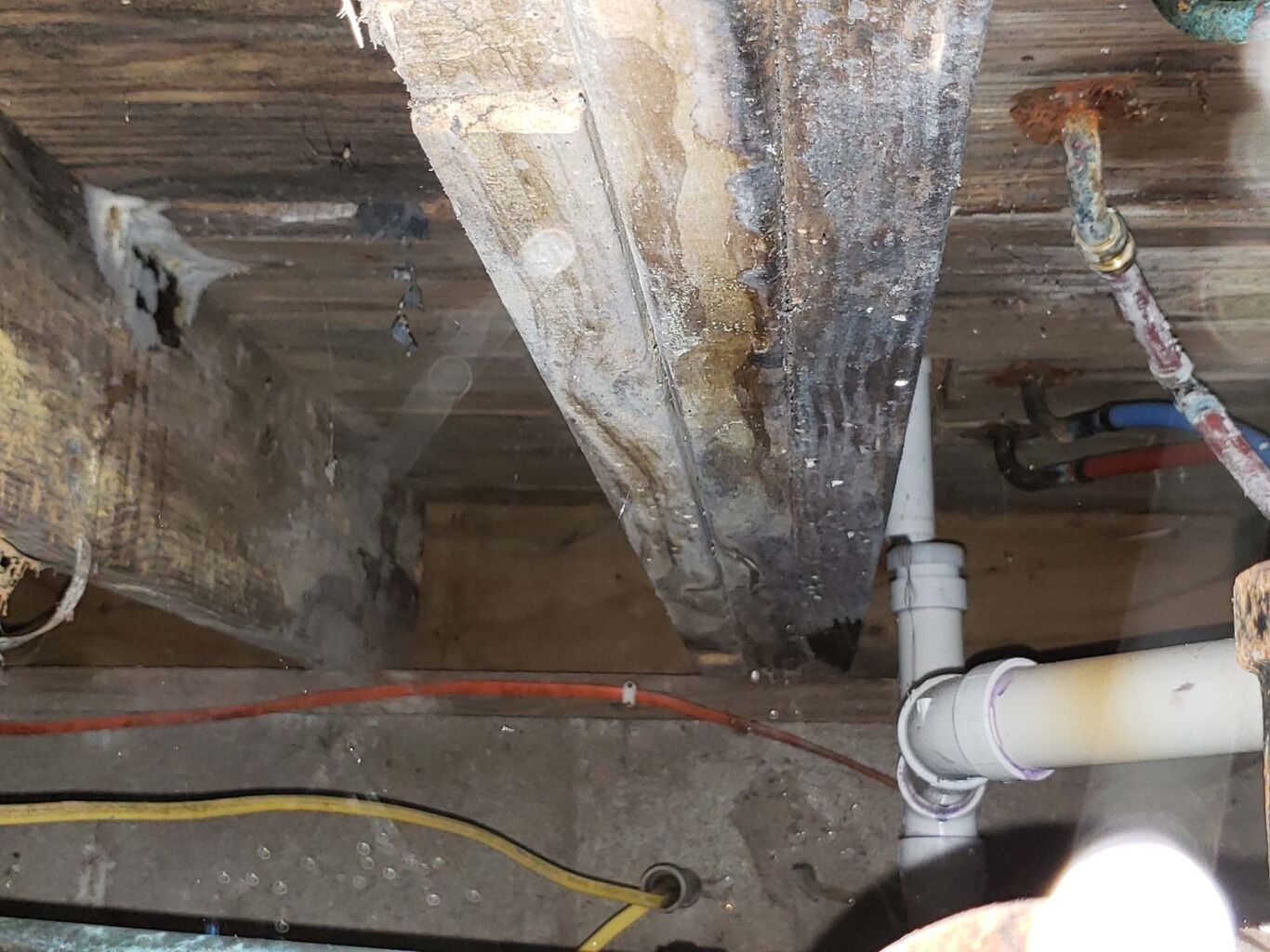
Mold can disrupt our home’s structure. It loves to gnaw at wood, causing rot and decay over an extended period. A compromised foundation can lead to serious issues down the line. The longer we let mold thrive, the more damage it creates.
Don’t ignore these signs! If we suspect trouble in our crawl space, let’s take action now before it spirals out of control. Curious about how to combat this problem? Let’s dive deeper into prevention strategies!
Wood decay happens silently yet quickly. It thrives in damp conditions, especially when moisture levels exceed 20%. We might see visible signs like discoloration or softness as it progresses.
Such changes tell us that our wood is struggling and at risk of serious damage. Without action, wood rot can spread and weaken the structural integrity of our homes.
Permanent stains often signal long-term decay. Once they take hold, sanding may be necessary to remove them thoroughly. Neglected wood increases repair efforts significantly over time.
Mold in crawl spaces can lead to severe foundation issues as wood deteriorates and structural supports weaken. Moisture trapped beneath barriers can create hidden risks that worsen over time.
SwainCo. addresses these issues through foundation repair and moisture control solutions. Ignoring mold-related damage can result in structural instability, making early detection and action essential to preserving property value and safety.
To keep mold at bay in our crawl spaces, we need to install effective drainage systems and consider options like encapsulation. Using dehumidifiers can also help manage moisture levels.
Ventilation solutions play a key role too; fresh air makes a big difference! Curious about what else we can do? Let’s dive deeper into this topic!
Proper drainage systems are critical for preventing water buildup and mold growth. Installing sump pumps helps remove excess water and keep crawl spaces dry. Effective drainage directs water away from the home and reduces the risk of standing moisture.
Investing in drainage improvements can prevent costly repairs later. Keeping water from accumulating beneath vapor barriers significantly lowers the chances of mold developing and spreading.
Crawl space encapsulation seals the space with a vapor barrier, blocking moisture and reducing humidity levels. This creates an environment where mold cannot easily grow. Removing old insulation and using protective treatments enhances effectiveness.
SwainCo. provides professional encapsulation services to ensure proper installation and long-term protection. Encapsulation improves indoor air quality, preserves property value, and provides a lasting defense against moisture-related issues.
Dehumidifiers and proper ventilation are essential for maintaining a dry crawl space. Keeping humidity between 40% and 50% helps stabilize conditions and prevent mold growth. Improving airflow reduces stagnant air and moisture buildup.
Regular monitoring of humidity levels ensures conditions remain optimal. Investing in dehumidification and ventilation systems provides long-term protection and peace of mind.
Mold in crawl spaces can be a serious issue, causing both health risks and structural damage. Addressing the root causes, such as moisture and poor ventilation, is essential. With proper prevention methods and professional support from SwainCo., it is possible to maintain a safe and healthy home environment.
Business Name: SwainCo.
Address: 500 Polk St #28, Greenwood, IN 46143
Phone: 317-407-1868
Business Hours:
Mon - Fri: 8:00 AM to 5:00 PM
Sat-Sun: Closed